

Currently Empty: 0.00$
Blog
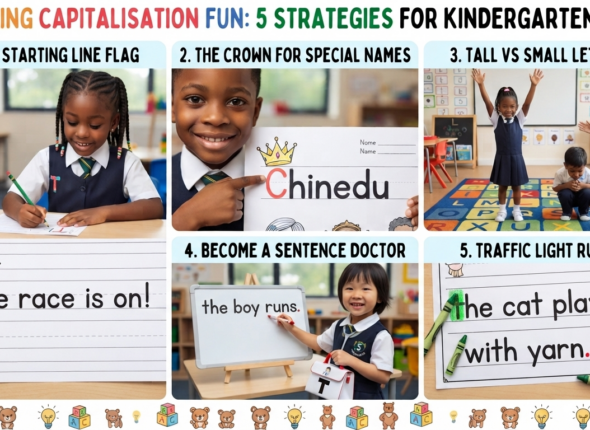
Effectively Teaching Capitalization to Kindergarteners
For many young learners, learning the English alphabet is an exciting experience. However, capitalisation can be confusing for kindergarteners. Rather than presenting it as a grammar rule, consider teaching it as a sign of respect or a signal, which makes the concept...
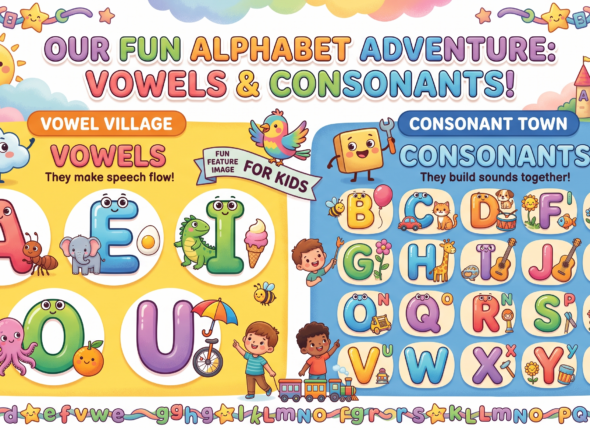
Teaching Kindergarteners Vowels and Consonants
Teaching kindergarteners vowels and consonants apart is a key step in early literacy. Instead of just memorising, encourage them to notice how speaking feels. This helps them understand how language works. The Two Groups: Vowels and Consonants To help young learners sort...
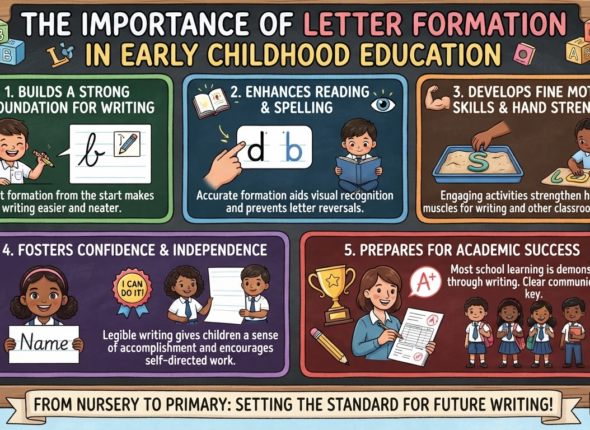
The Importance of Letter Formation in Early Childhood Education
The early years of education, from Nursery to Lower Primary, lay the foundation for future learning. During this period, children do more than learn the alphabet; they begin to form letters, a skill essential for written communication. Letter formation, the correct method...
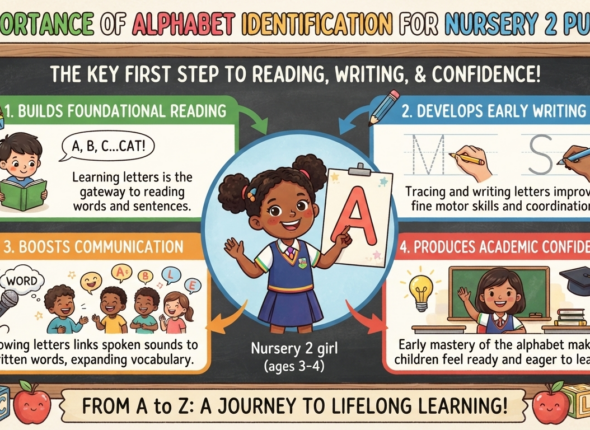
Importance of Alphabet Identification for Nursery 2 pupils
A child’s path to literacy starts with learning to recognise the letters of the alphabet. For Nursery 2 children, usually aged three or four, alphabet identification is more than just memorising 26 letters. It is the key first step to reading, writing,...
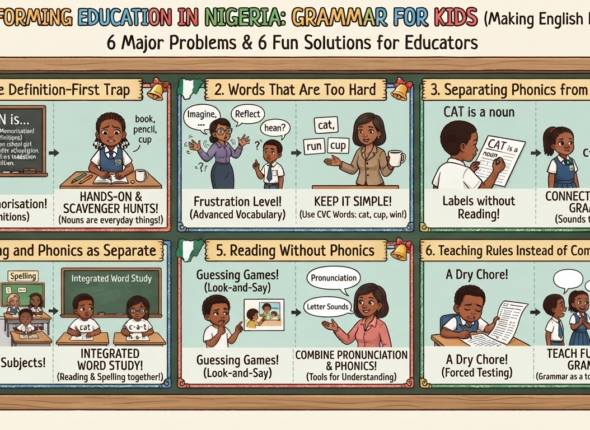
Reforming Education in Nigeria – Grammar for Kids
The English language is a tool for student self-expression, but many Nigerian students find grammar scary and confusing. The problem isn’t that students aren’t trying; it’s that traditional methods focus on memorising dry rules rather than using the language to talk and...
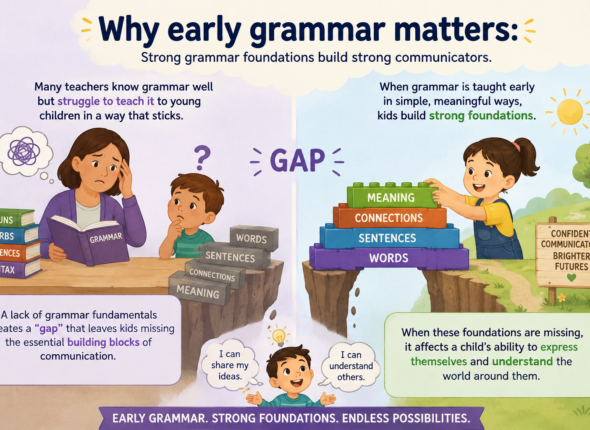
Why Early Grammar Matters
Why Early Grammar Matters: Many teachers know grammar well but struggle to teach it to young children in a way that sticks. A lack of grammar fundamentals creates a “gap” that leaves kids missing the essential building blocks of communication. When these...