
Currently Empty: 0.00$
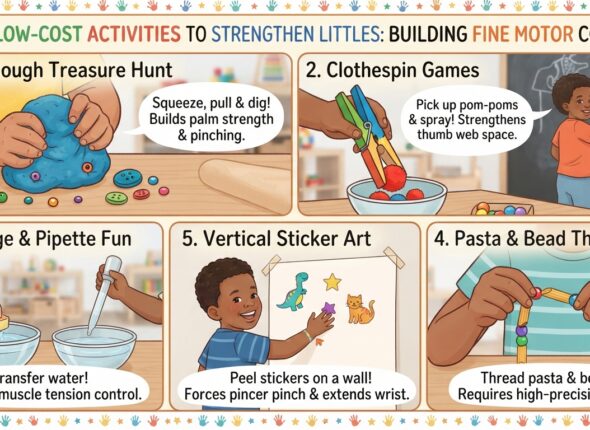
5 Playful Ways to Build Strong Little Hands for Writing
Strong hand coordination and finger strength (fine motor control) are essential for everyday tasks like buttoning clothes, using cutlery, and holding a pencil without fatigue. Here are 5 fun, low-cost play activities to strengthen young hands: 1. Playdough Treasure Hunt: Bury small...
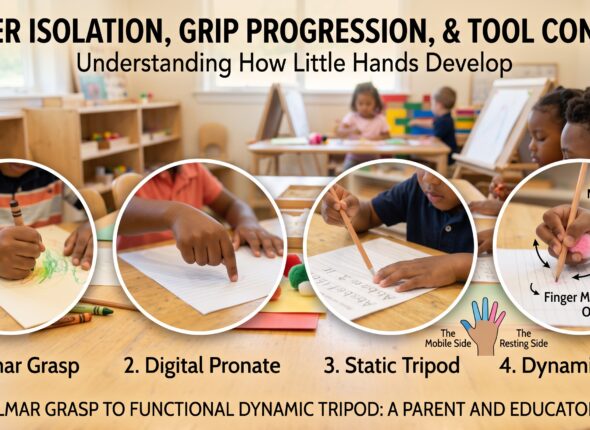
Finger Isolation, Grip Progression, and Tool Control
Once children have built up their core and shoulder muscles, it’s time to focus on their hands. This module shows how kids move from grabbing with their whole hand to using their fingers with more control by practising with simple tools. The...
Posture for Writing
Children need a strong core to do small movements with their fingers, such as gripping a pencil or making careful strokes. If their core, back, or shoulder muscles are weak or tired, their hands and wrists have to work harder. This can...
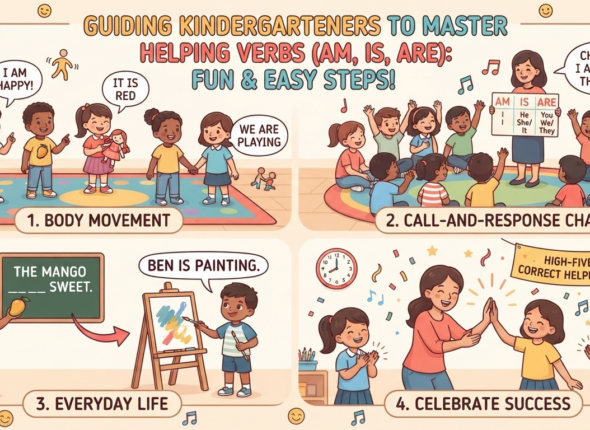
Guiding Kindergarteners to Master Helping Verbs (Am, Is, Are)
When teaching young learners about basic grammar, it is necessary to turn abstract rules into interesting, concrete experiences. Teachers and parents will find that introducing helping verbs such as am, is, and are can be a pleasant experience if they use the...
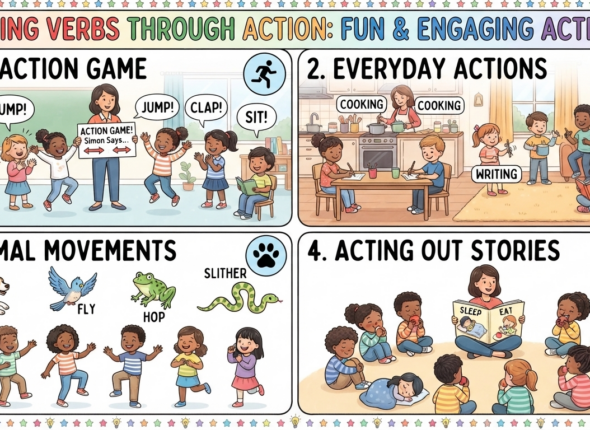
Teaching Verbs Through Action
Grammar may seem abstract to young children, but verbs are the easiest part of speech to teach because children naturally enjoy movement. In classrooms and homes, verbs are present in every activity. Use physical activities, local games, and daily routines to demonstrate...
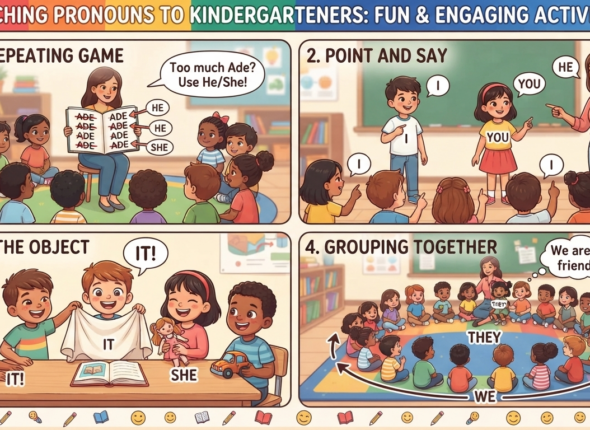
Teaching Pronouns to Kindergarteners
For young learners, understanding parts of speech can seem challenging. When teaching pronouns such as he, she, it, they, and we, emphasise that these words replace names to avoid repetition. Below is an engaging, activity-based approach to teaching pronouns effectively at home...
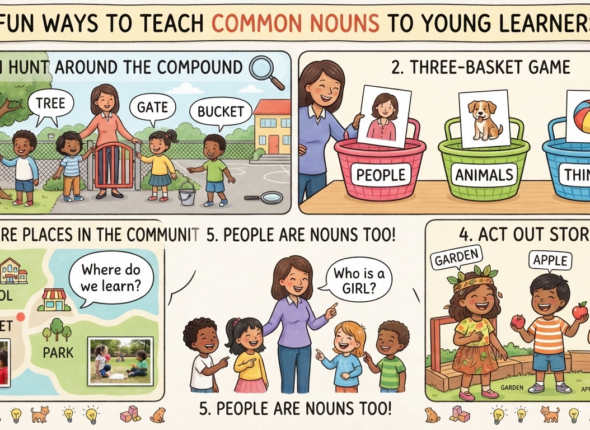
Fun Ways to Teach Common Nouns to Young Learners
Teaching children to recognise and name the things around them starts with teaching nouns. In Nigeria’s lively and varied setting, grammar lessons can be made into interesting and practical activities. Instead of depending only on worksheets, use well-known people, animals, and objects...
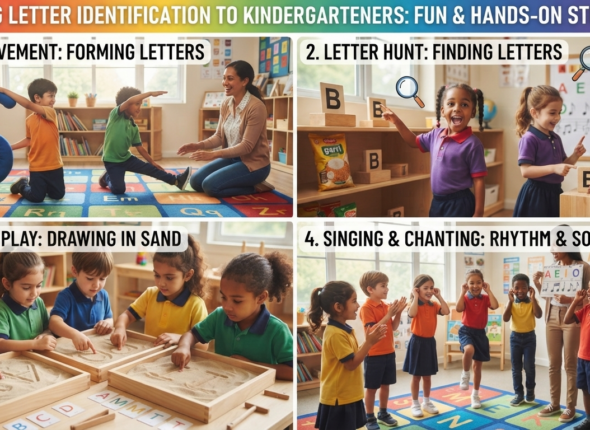
Teaching Letter Identification to Kindergarteners
For young learners, the world of letters offers a chance to enter a new universe. Being able to recognise and name the letters easily is the basic foundation for both reading and writing. Nigerian teachers and parents want to move away from...
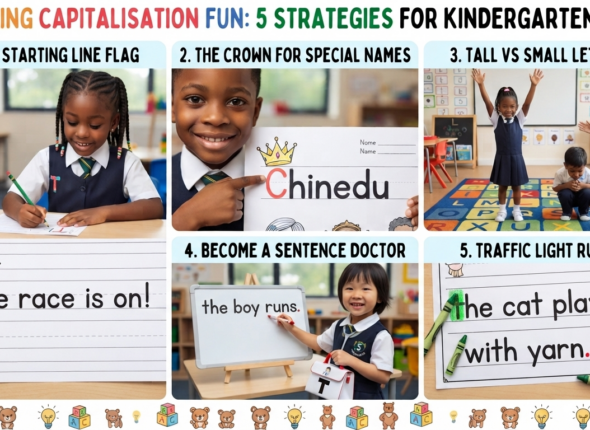
Effectively Teaching Capitalization to Kindergarteners
For many young learners, learning the English alphabet is an exciting experience. However, capitalisation can be confusing for kindergarteners. Rather than presenting it as a grammar rule, consider teaching it as a sign of respect or a signal, which makes the concept...
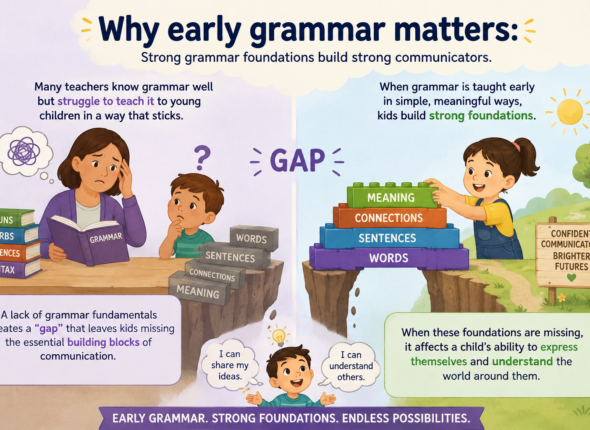
Why Early Grammar Matters
Why Early Grammar Matters: Many teachers know grammar well but struggle to teach it to young children in a way that sticks. A lack of grammar fundamentals creates a “gap” that leaves kids missing the essential building blocks of communication. When these...